
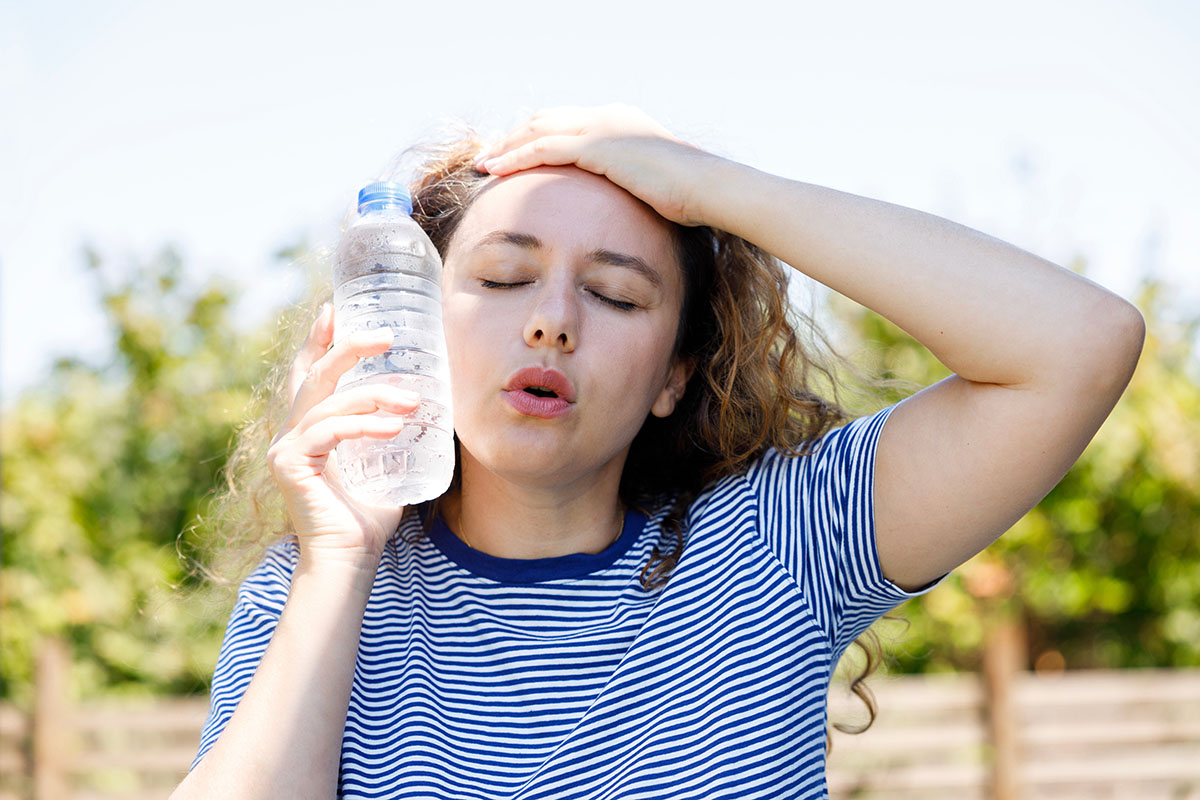
Water is essential not just for health and wellbeing, but for life itself. Adequate water intake every single day is imperative for the body to function properly – and it plays an inherent role in getting quality sleep.
Like Goldilocks, the amount of water you drink needs to be “just right”.
KEY INSIGHTS
- Optimal fluid intake, preferably as water, is critical to regulating your body temperature, and it is crucial for a plethora of other physiological processes, from brain activity to circulation, immunity, and kidney function.
- Dehydration is what happens when the body’s fluid output (through urination, sweat, and breath) exceeds its intake. This leaves the body without sufficient fluids to function properly.
- Water intake and sleep quality are inherently linked – but the amount of water you need to drink needs to be “just right”.
- Dehydration impacts the sleep-wake cycle, overall sleep duration and quality. It can lead to headaches, muscle pains, snoring, insomnia, and other issues.
- Sleep better and reduce your risk of snoring by hydrating adequately during the day. Have a cup of water an hour before bedtime and, if you snore, use the best snoring cures in NZ – such as the ApneaRx snoring mouthpiece.
Fun Facts
- Water comprises between 50% and 75% of the average human adult’s body.
- We lose water from the body via urination, perspiration (sweating), respiration (breathing), and faeces. (Vomiting and diarrhoea also release large amounts of fluid from the body). As much as a litre of water is lost via the breath each night, while we sleep.
- People who have a low fluid intake feel calmer and more positive when they increase their water consumption; those with a high “normal” water consumption feel anxious and less well if their intake is reduced.
- Drinking water, especially if it’s warm, increases blood circulation and perspiration, improves digestive processes, and helps the body detoxify. Adequate water intake helps alleviate muscle cramps, prevents headaches, and keeps you hydrated throughout the night.
Dehydration – What is It and What Causes It?
Dehydration happens when the body releases more fluid than it takes in. A dehydrated body doesn’t have the right fluid balance to function at its best. Anyone can become dehydrated, for a multitude of reasons, and it can be dangerous; those most at risk, however, are babies, small children, and older people (as the aged tend to have a lower volume of fluid in the body).
The most common causes of dehydration include:
- Not drinking enough water, especially in hot or humid weather, when exercising, or when unwell
- Exercising/being active in hot, humid conditions
- Illnesses that cause a fever, vomiting, or diarrhoea
- Use of diuretics (water pills)
- Undiagnosed/uncontrolled diabetes
Dehydration can lead to heat injury, low blood volume, kidney or urinary issues, or even seizures if it’s not treated promptly. When it is only mild or moderate, dehydration is usually resolved simply by drinking more fluids – water is best. Severe dehydration, however, can become a medical emergency.
Dehydration symptoms include:
- extreme thirst,
- dry mouth, lips, or tongue
- urinating less or having dark-coloured/strong-smelling urine
- tiredness
- headaches
- dizziness, lightheadedness, or confusion
- rapid heart rate
- low blood pressure
- the eyes or cheeks may take on a sunken appearance
- the skin may not immediately bounce back when pinched
- shock
Babies and small children may also experience irritability, fatigue, a sunken fontanelle, or have no tears when crying.
Being dehydrated can cause an array of other effects, including but not limited to:
- Mood issues, such as feeling anxious, stressed, or depressed.
- A dry, sore throat
- Thickened mucous in the airways
- Muscle cramps, especially in the legs at night
- Weight gain
- Snoring
What Effect Does Dehydration Have on Sleep?
A good night’s sleep for the average healthy adult means a stretch of 7-9 hours. Does this seem like a long time to go without drinking anything? It may, but the body compensates; the brain releases a hormone called vasopressin during sleep. This substance helps the body retain water, but you need to be adequately hydrated in the first place.
Despite the presence of vasopressin, you can still become dehydrated, and this invariably disrupts sleep. Conversely, poor quality sleep can also cause dehydration. Medical researchers believe this is because sleep disruptions interfere with the vasopressin response. Moreover, chronic sleep deprivation interferes with optimal kidney function, meaning the body is less capable of regulating its fluid levels.
Dehydration and Snoring – What’s the Link?
How is snoring caused or worsened by dehydration?
Snoring occurs when the soft tissues of the upper airways (mouth, nasopharynx, throat) vibrate with breathing while asleep. Dryness of the mouth and throat are early signs of thirst and the body’s need for water. This can quickly irritate the tissues of the airways, which are naturally moist mucous membranes; inflammation can result. This also triggers more mucous production, and when dehydrated, mucous becomes thicker. It sets up a “perfect storm” of conditions for snoring to occur.
Can You Drink Too Much Water?
Yes! Just as too little water is a problem, taking in too much water can also cause significant health issues. While there are certain medical conditions that cause overhydration, drinking water rarely becomes dangerous, as the kidneys will normally excrete excess water. (Drinking too much water due to the use of certain illicit drugs is an exception to this.)
Drinking too much water before bed can cause nocturia, or an increased need to urinate during the night. Needing to use the bathroom more than once overnight significantly disrupts both the quality and duration of sleep. If habitual, it can eventually lead to other medical problems. Drinking too much water at night can also cause or worsen insomnia, nightmares, sleep paralysis, and other sleep disorders relating to sleep disruption.
How Much Water Do I Need to Drink?
Everyone is different, and the amount of water you need to consume will be influenced by your age, overall health, local weather and climate, lifestyle, diet, physical activity, medications, and medical issues.
A good rule of thumb is that the average adult needs to drink around 1.5-2 litres (or 6-8 glasses) of water every day. This may increase somewhat when you’re exercising and/or it’s hot or humid, if you’re breastfeeding, or feeling unwell.
You know you’re drinking enough each day when your urine is consistently a light, almost clear yellow in colour with only a mild aroma (if any). First thing in the morning, it will likely be a bit darker. Most people urinate 6-7 times daily, but 4-10 times is considered normal if that is what’s normal for you.
Getting a Better Night’s Sleep – A Few Tips
Drinking plenty of water during the day supports healthier sleep at night.
- First thing after you wake in the morning, have a glass of water.
- Try to drink 8 x 250ml glasses of fluid per day. This includes tea, coffee, and other beverages, but understand that too much caffeine will negate the positive effects, as it has diuretic properties. This means it makes you urinate more. Furthermore, high-sugar sodas, artificially sweetened sodas, fruit juices, and alcoholic drinks are neither healthy nor effective hydrating options.
- Carry a water bottle with you during the day, especially if you’re physically active.
- If you don’t like the taste of plain water, try carbonated water and/or use fresh-squeezed lemon juice, berries, or mint leaves for flavour.
- Eat hydrating foods to up the ante on your water intake: watermelon, pears, apples, oranges, kiwifruit, cucumber, tomato, zucchini, and spinach.
- Limit caffeine and alcohol. Avoid smoking and vaping.
- Try to drink the majority of your fluids during the day and early in the evening.
- Having a glass of water or a cup (250ml) of chamomile tea or a non-caffeinated, sleep-friendly herbal tisane (not black tea, coffee, or hot chocolate/cocoa) helps you prepare for rest and promotes a good night’s sleep, keeping you adequately hydrated throughout the night.
- On hot or humid nights, have a glass or bottle of water by the bed to sip on.
- Prevent nighttime sweating: use cotton or linen sheets, wear light cotton pyjamas (or sleep naked), and use a fan or air conditioning if it’s hot. If night sweats are a problem for you, even if you know it’s due to a benign issue like menopause (as opposed to an illness), see your GP.
- Check with your GP or pharmacist about whether you should be replacing electrolytes. There are supplements available to replace essential salts that can be lost due to sweating and dehydration, but be very aware that it is a very fine balance. Too much (or the wrong kind of) salt can cause dehydration and other health issues.
- Optimise your sleep schedule and sleep hygiene.
- Manage snoring – use the right NZ snoring treatment.
Choose the Best Snoring Cures in NZ!
Drinking the right amount of water is just part of the equation for getting a healthier, good night’s sleep. Preventing snoring in the first place is also very important, and using the right NZ snoring treatment has a major role to play.
ApneaRx is the most effective snoring mouthpiece available on the NZ market. It is comfortable, cost-effective, washable, and reusable.
You wear the ApneaRx in your mouth while you sleep. The way it works is simple but revolutionary: it moves the lower jaw slightly forward (to a position that works for you) to help open the airways. This allows for better airflow and prevents the soft tissue vibrations that cause snoring. For people with diagnosed mild to moderate sleep apnea, ApneaRx is also approved in NZ as a sleep apnea device to help treat symptoms associated with the condition. Check with your doctor.What are you waiting for? Purchase your ApneaRx today. And follow us on Instagram @apnea_rx for our latest news, tips, and fun sleep and snoring facts!